
Terrace Waterproofing Myths Busted: What Really Works for Long-Term Protection
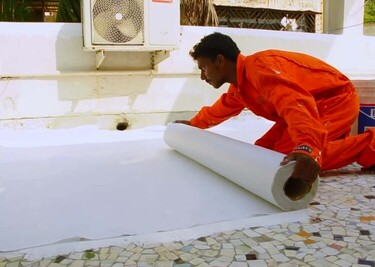
Terrace waterproofing protects your home from leaks, seepage, dampness, and monsoon damage. But many property owners still follow old beliefs, quick fixes, and low-cost shortcuts that fail within months. This guide clears the most common myths and explains what truly works for lasting waterproofing.
Myth 1 – “Any Waterproofing Chemical Can Fix Leakage Instantly”
Many believe that applying any waterproofing chemical will stop leaks quickly.
This myth is common because chemical cans are marketed as “magic solutions” that fix everything.
In reality, leakage is a symptom.
The real cause is often deeper—cracks, damaged concrete, weak slope, clogged outlets, or worn-out layers.
Instant chemical coatings may block moisture temporarily, but they cannot rebuild damaged concrete or restore a faulty surface.
They peel off, crack again, and allow water to enter during the next monsoon.
True waterproofing works when the root cause is identified.
A proper inspection helps locate structural cracks, poor joints, weakened slab areas, and drainage issues.
Once these are repaired, waterproofing becomes reliable, stable, and long-lasting.
A durable waterproofing system includes multiple layers, bonding coats, crack fillers, protective screeds, and final coatings designed for heat, rain, and UV exposure.
This method not only blocks water but also strengthens the terrace surface.
Long-term protection is never about one chemical.
It is about a complete system-built step by step.
Zindus uses structured waterproofing methods that address the terrace from the inside out, ensuring the problem doesn’t return next season.
Why This Myth Exists
Many hardware shops promote chemicals as quick solutions.
Their labels promise fast results, creating unrealistic expectations.
People want a low-cost fix, so they choose chemicals without checking the surface condition.
Since some coatings work for a short period, they create the illusion that the problem is solved.
When leaks return, people assume waterproofing “doesn’t work,” not realising the real cause was never treated.
What Actually Works
A proper waterproofing solution includes surface preparation, crack filling, polymer-modified mortar, strong base coats, and UV-resistant top layers.
Without these steps, no chemical alone can ensure durability.
When the system is applied correctly, with the correct drying time and reinforcement mesh, the surface can withstand rain, heat, and structural movement.
This prevents seepage permanently and keeps the terrace protected for years.
Myth 2 – “A Single Coat Is Enough for Waterproofing”
Many people assume one coat of waterproofing is enough.
But terraces face extreme stress—standing water, intense sunlight, expansion, contraction, abrasion, and heavy foot traffic.
A single coating cannot handle these forces.
Waterproofing works through layers.
Each layer has a purpose: bonding, sealing cracks, building thickness, strengthening the surface, and creating final protection.
When only one layer is applied, it becomes thin and weak.
It cracks easily and washes off during rains.
Multiple coats ensure proper thickness, flexibility, and durability.
Layered waterproofing also allows reinforcement mesh installation, which prevents future cracking.
This increases life of the system dramatically.
Quality waterproofing includes 2–4 coats applied at correct intervals.
Drying time between coats is crucial.
Without it, layers don’t bond well and peel off quickly.
If your contractor promises “one coat enough,” the result will not last long.
A proper multi-layer system ensures stable, long-term protection.
Why People Believe This
People want fast solutions.
One coat seems quick, easy, and cheaper.
Contractors also push this idea to save time.
This creates a false impression that waterproofing is a simple paint job.
In reality, terraces need layered protection because they face more stress than walls or interiors.
Correct Method for Long-Term Results
Apply a multi-layer system with bonding agents, crack treatments, two or more waterproofing coats, reinforcement mesh, and a protective screed.
This creates a thick, flexible membrane that resists leaks, UV rays, thermal movement, and water pressure.
Proper curing and drying ensure long-lasting performance.
Myth 3 – “Waterproofing Is Only Needed When Leakages Start”
This myth leads to costly repairs.
People wait for leaks, damp patches, or ceiling stains before acting.
But by the time leakage appears, the damage has already spread inside the structure.
Steel corrosion, plaster damage, efflorescence, and concrete weakening may already be present.
Preventive waterproofing protects the structural slab before it fails.
It keeps moisture away from steel reinforcement, stopping rust and cracks.
It increases lifespan of the building and reduces repair costs.
Waiting for visible damage always leads to higher expenses.
The cost of repairing structural damage is far higher than preventive terrace waterproofing.
Regular waterproofing checks every few years help detect early signs of wear.
Leakage-free homes stay healthier, mould-free, and safer.
Preventive waterproofing is a long-term investment in building safety.
Why This Belief Is Wrong
Most people think waterproofing is a cure, not a protective measure.
They underestimate hidden damage caused by slow seepage.
Early waterproofing prevents long-term structural loss, saves money, and stops health issues from mould and dampness.
Why Preventive Waterproofing Saves More Money
Fixing leaks early stops rust, cracks, and plaster damage.
It prevents costly repairs in future.
Preventive waterproofing protects the slab long-term, avoiding repeated expenses.
The earlier the treatment, the lower the repair bill.
Myth 4 – “Cracks Can Be Covered with Waterproof Paint Only”
Painting over cracks is one of the biggest mistakes.
Waterproof paint only forms a thin layer.
It does not repair the crack or restore surface strength.
Cracks allow water to enter the slab.
If only paint is used, water gets trapped under the paint film and makes it peel, bubble, and detach.
Proper crack treatment involves opening the crack, cleaning it, filling it with crack filler or polymer mortar, and sealing it before any waterproofing coat is applied.
Only then can paint or coating work effectively.
When cracks remain untreated, every layer applied on top will fail eventually.
This is why many terraces leak again even after waterproofing.
Treating cracks is the foundation of long-term waterproofing.
Problems with Paint-Only Solutions
Paint does not fill cracks, repair weakened concrete, or block water pressure.
It wears off quickly and fails during monsoon.
Paint-only methods trap moisture inside the slab, causing blistering and peeling.
Proper Crack Treatment Process
Open the crack, clean loose material, fill with polymer-modified mortar or PU sealant, apply bonding coat, and then waterproofing layers.
This ensures a complete seal that lasts for years.
How Zindus Infra Ensures Long-Term Terrace Waterproofing Protection
Zindus Infra uses advanced terrace waterproofing systems designed for Indian climate conditions.
Our process begins with a detailed inspection that identifies cracks, weak spots, drainage issues, and structural concerns.
Each terrace receives a customised waterproofing solution based on its condition.
We use crack treatment, polymer coatings, reinforcement mesh, multi-layer waterproofing systems, and protective screeds for durable results.
Our methods not only stop existing leaks but prevent future ones.
We focus on long-term performance, not temporary fixes.
Terrace waterproofing by Zindus Infra protects your building from moisture, structural damage, and monsoon leakage.
Whether it’s a residential, commercial, or industrial terrace, our system enhances the life of the structure.
Steps in Our Waterproofing System
- Cleaning and surface preparation
- Crack identification and repair
- Slope correction
- Multi-layer waterproofing coats
- Reinforcement mesh installation
- Protective screed application
- Final UV-resistant top coat
Why Our Method Lasts Longer
We repair the root cause, create thick membrane layers, ensure proper curing, and use high-quality materials. This prevents peeling, cracking, and water penetration even in heavy monsoon. The system stays stable for years, reducing maintenance costs. ________________________________________
Contact Zindus Infra
📞 9372416281
🌐 www.zindus.in

Just read this blog—clean, practical, and honestly much needed. Terrace waterproofing is one of those areas where myths spread faster than facts, and this post does a solid job of calling out what actually works for long-term protection.
At SMCA Chess Academy, we strongly believe in the same principle highlighted here: long-term results come from strong foundations, not shortcuts. Whether it’s building a durable terrace or developing a player’s game, the basics done right always win in the long run.
Great insights, clear explanations, and zero fluff. Definitely a valuable read for homeowners and builders alike. Keep putting out content like this—real knowledge always beats hearsay ♟️💪