The Silent Squeeze: Why Groundwater is Cracking Your Basement Walls

21 May

The Silent Squeeze: Why Groundwater is Cracking Your Basement Walls

Most building owners focus on the rain falling from the sky, but the real threat often comes from the ground beneath. In areas like Dombivli and Thane, where the water table can be high, and the monsoon is intense, your basement isn’t just a storage space—it’s a structure under constant physical attack.

At Zindus, we call this the “Silent Squeeze.” Here is the engineering reality of why your basement walls are cracking and why you can’t afford to ignore it.

1. The Physics of Failure: Hydrostatic Pressure

When the soil around your foundation becomes saturated with water, it exerts hydrostatic pressure against your basement walls.

Think of it like this: dry soil is heavy, but wet soil is a massive, pushing force. As the water level rises, the pressure increases. If your walls weren’t designed to handle that specific load, or if the waterproofing has failed over the last 20 years, the concrete will eventually “give” to the squeeze.

.

structural repair
Zindus Building Rehbalitation expert

2. The Signs of Trouble

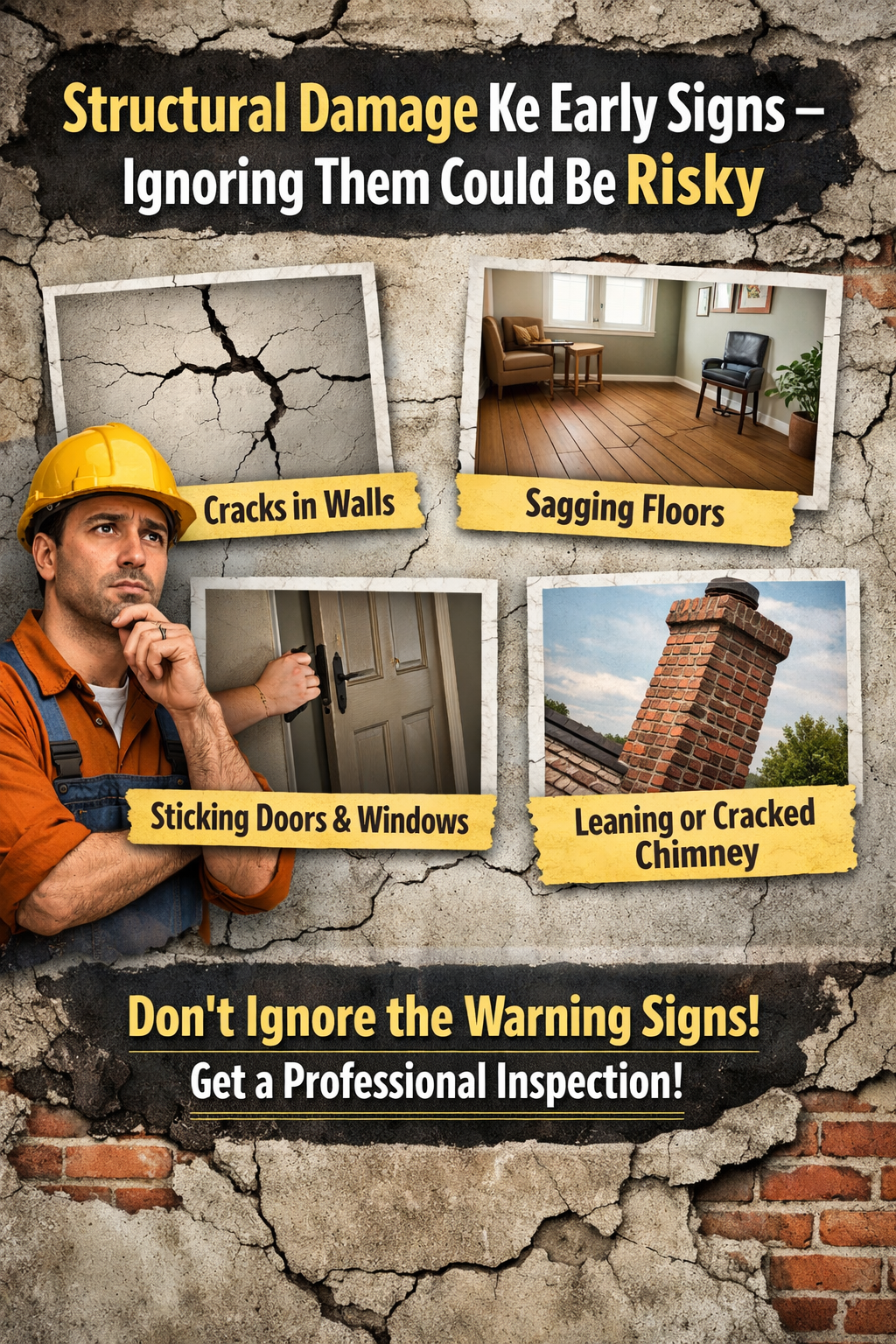
Groundwater doesn’t just break a wall instantly; it leaves clues:

  • Horizontal Cracks: Usually a sign that the pressure from the outside is bowing the wall inward.
  • Step Cracks: Often seen in masonry or block walls, following the mortar joints.
  • Efflorescence: That white, powdery substance on the walls. It’s salt left behind by evaporating groundwater—a “red flag” that moisture is moving through your concrete.
  • Wet Spots at the Base: Where the wall meets the floor (the cove joint) is the most common point of entry for high-pressure groundwater.

3. The Zindus Approach: More Than Just a Patch

As the “Building Doctors,” we don’t just “paint” over the problem. A cracked basement needs a surgical approach:

  • Structural Audit: We first determine if the crack is superficial or structural.
  • Pressure Grouting: Injecting specialised chemicals to fill voids and stop active leaks.
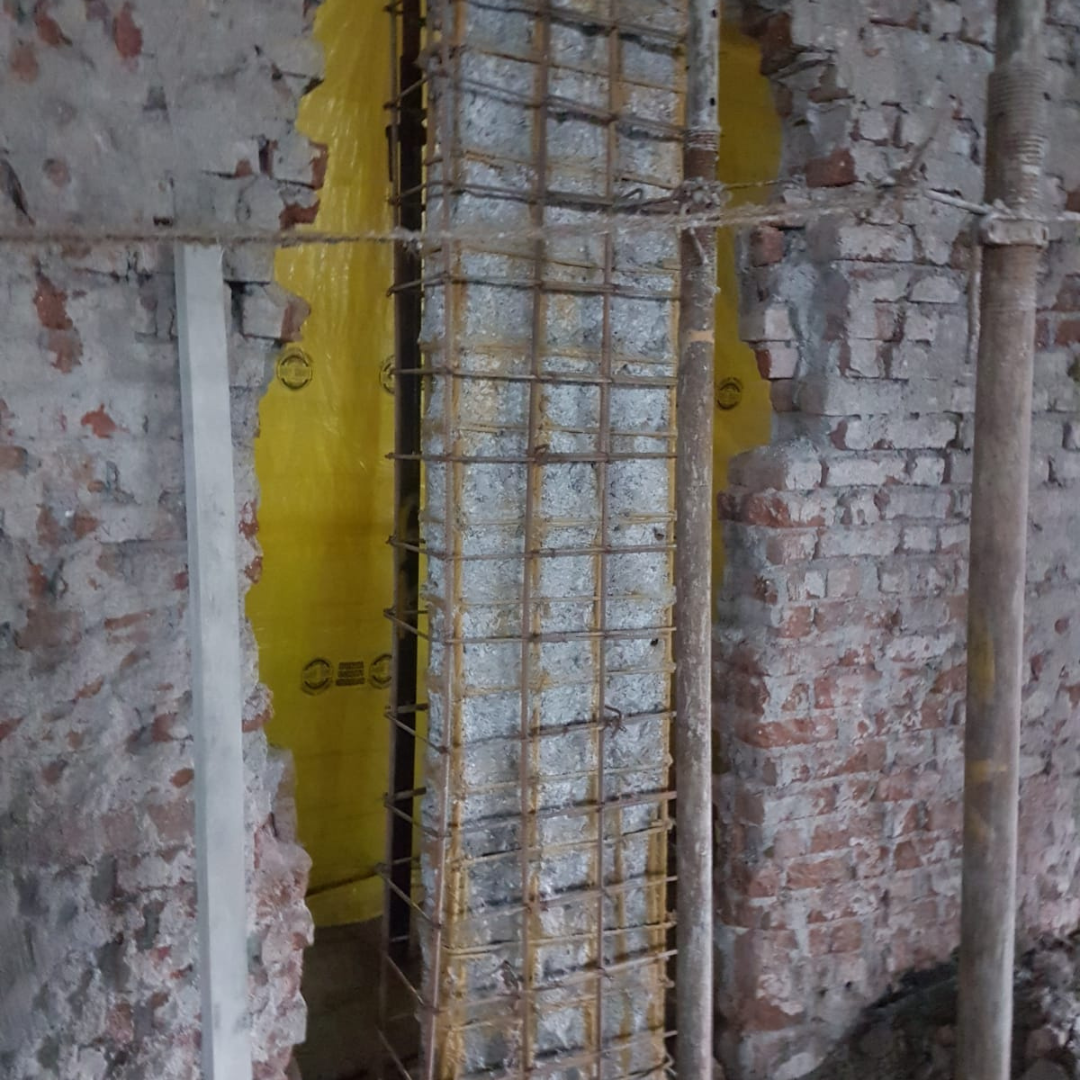
  • Retrofitting: If the wall has bowed, we use carbon fibre wrapping or steel reinforcements to restore its strength.

External/Internal Waterproofing: Creating a permanent barrier so the water stays where it belongs—in the ground.

retrofitting

Frequently Asked Questions (FAQ)

Q1: Can I just fill the cracks with cement myself?

A: No. If the crack is caused by hydrostatic pressure, a simple surface patch will pop out within one season. You need to address the pressure and the structural integrity, not just the gap.

Q2: Is a basement crack always a sign of a collapsing building?

A: Not necessarily, but it is a sign of a “failed” structure. If left for years, the reinforcement steel inside the wall will rust (corrosion), which eventually leads to a much more expensive rehabilitation project.

Q3: How long does a typical basement retrofit take?

A: Depending on the severity, most residential or institutional basement repairs take between 7 and 14 days. We aim to minimise disruption to the building’s daily operations.

Q4: Why did my basement start leaking after 20 years?

A: Waterproofing membranes have a lifespan. After two decades, the original protection has likely degraded, and the concrete has become more porous, allowing the “Silent Squeeze” to win finally.

Building ke Doctors – Zindus

Your trusted team for structural strengthening, structural retrofitting, and terrace waterproofing.

Don’t wait for the squeeze to become a collapse.

Contact: 9372416281

Website: www.zindus.in

Leave a Reply

Your email address will not be published. Required fields are marked *