
Building Repairs That Last: Zindus Infra’s Approach to Modern Rehabilitation
Building Repairs That Last: Zindus’s Approach to Modern Rehabilitation
Buildings age.
Loads increase.
Weather exposure rises.
Without timely repairs, small defects become safety risks
Without timely repairs, small defects become safety risks.
Cracks widen.
Steel corrodes.
Water seepage weakens concrete.
Zindus Infra treats buildings like patients.
Diagnose first.
Repair with precision.
Protect for the future.
Known as Building ke Doctors, Zindus Infra delivers structural strengthening, structural retrofitting, and terrace waterproofing solutions that extend building life and reduce long-term maintenance costs.
📞 9372416281
🌐 www.zindus.in
Why Long-Term Building Repairs Matter More Than Ever
Modern cities rely on ageing buildings.
Most residential and commercial structures cross 25–40 years of service life without major rehabilitation.
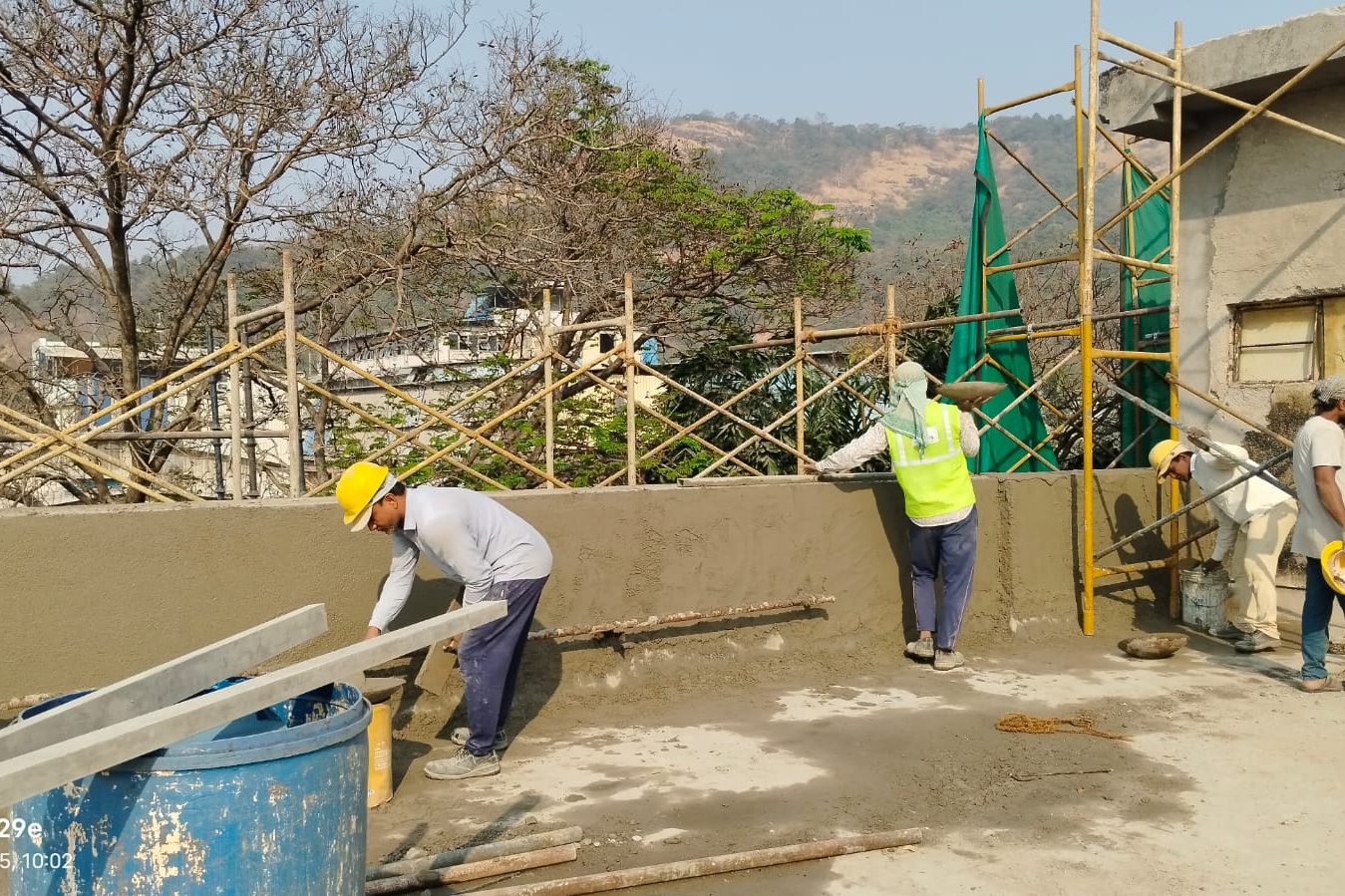
This creates risks:
- Reduced load capacity
- Falling plaster and concrete cover
- Active water seepage
- Corroded reinforcement
- Safety concerns during monsoons
Long-lasting repairs restore structural integrity.
They extend usable life by 20–30 years.
They reduce emergency repair costs.
They improve safety and property value.
Zindus Infra focuses on:
- Root cause diagnosis
- Structural audit-based repair design
- Durable material systems
- Controlled execution methods
Buildings repaired correctly perform better under:
- Seismic forces
- Wind loads
- Heavy rainfall
- Daily occupancy stress
Repairing early costs less than rebuilding later.
Preventive rehabilitation protects lives, assets, and investments.
Modern building owners now choose structured repair programs over reactive maintenance.
Zindus Infra supports this shift with data-driven rehabilitation methods.
Common Structural Problems in Ageing Buildings
Buildings deteriorate due to time, environment, and use.
Understanding failure patterns helps in choosing correct repairs.
Causes of Premature Building Failure
Most damage starts from:
- Water seepage from terraces and bathrooms
- Carbonation of concrete
- Chloride attack near coastal zones
- Poor construction practices
- Lack of maintenance
- Overloading beyond design limits
These factors reduce concrete alkalinity.
Steel starts rusting.
Expansion cracks form.
Structural strength drops.
Visible signs include:
- Longitudinal column cracks
- Spalling concrete
- Rust stains
- Leaking ceilings
- Deflected slabs
- Damp walls
Ignoring these signs increases repair costs and safety risks.
Role of Preventive Maintenance
Preventive maintenance reduces major structural interventions
Key actions:
- Waterproofing terraces every 8–10 years
- Replacing damaged plumbing lines
- Repairing plaster cracks early
- Treating corrosion before steel exposure
- Conducting periodic structural audits
Preventive repairs reduce load on RCC members.
They slow the corrosion progression.
They improve building service life.
Zindus Infra integrates preventive maintenance into long-term rehabilitation planning.
Early repairs = Lower costs + Higher safety.
Zindus Infra’s Modern Approach to Building Rehabilitation
Zindus Infra does not believe in guesswork repairs.
Every project follows a structured process:
- Inspection
- Diagnosis
- Design
- Repair execution
- Quality control
- Long-term protection
This ensures predictable performance outcomes.
Their rehabilitation philosophy focuses on:
- Structural safety first
- Durability over cosmetics
- Root cause elimination
- Code-compliant materials
- Tested application systems
Buildings are treated as engineering systems, not surface finishes.
This approach delivers repairs that:
- Restore load-carrying capacity
- Stop water ingress permanently
- Reduce corrosion rates
- Improve seismic performance
- Extend usable life
Zindus Infra works closely with:
- Structural consultants
- Material manufacturers
- Housing societies
- Facility managers
This creates coordinated repair execution with minimal disruption to occupants.
Every project aims for:
- Long-term performance
- Lower maintenance cycles
- Measurable safety improvement
Structural Retrofitting: Strengthening Buildings from Within
Structural retrofitting restores strength without demolition.
It upgrades load capacity while keeping buildings functional
Structural Audit-Based Repair Planning
Every retrofitting project begins with:
- Visual condition survey
- Non-destructive testing (NDT)
- Core sampling where required
- Structural analysis
- Load assessment
- Crack mapping
This data defines:
- Severity of deterioration
- Structural risk zones
- Required strengthening levels
Zindus Infra converts this into repair drawings and method statements.
Repairs are targeted.
Not random.
Not cosmetic.
RCC Repair and Strengthening Methods
Zindus Infra uses:
- Polymer-modified repair mortars
- Micro-concrete jacketing
- Column and beam jacketing
- Carbon fibre wrapping (CFRP)
- Epoxy crack injection
- Steel plate bonding
Section enlargement
Each method is selected based on:
- Load demand
- Damage severity
- Exposure conditions
- Budget constraints
- Expected service life
These methods:
- Restore original section capacity
- Improve ductility
- Enhance seismic resistance
- Control crack propagation
Retrofitting allows buildings to meet modern safety standards without redevelopment.
Terrace Waterproofing: Stopping Leaks at the Source
Water seepage is the most common cause of structural deterioration.
Terraces face continuous weather exposure.
Rainwater penetration leads to:
- Slab corrosion
- Ceiling leakage
- Wall dampness
- Mold growth
- Concrete spalling
Zindus Infra designs waterproofing systems based on:
- Surface slope condition
- Existing membrane condition
- Usage patterns
- Load restrictions
- Drainage efficiency
They do not apply generic coatings.
They use system-based waterproofing solutions.
Waterproofing Systems Used by Zindus Infra
Depending on site conditions, systems include:
- Polyurethane liquid membranes
- APP and SBS modified bitumen membranes
- Cementitious waterproofing coatings
- Hybrid elastomeric coatings
- Protective screed with waterproof additives
Each system includes:
- Surface preparation
- Crack treatment
- Fillet joint reinforcement
- Membrane application
- Flood testing
- UV protection layers
This approach delivers:
- Long-term leak resistance
- Thermal movement tolerance
- Crack-bridging ability
- UV stability
Correct waterproofing stops corrosion progression and extends slab life.
Why Choose Zindus Infra – Building ke Doctors
Zindus Infra is known for result-driven rehabilitation, not surface patchwork.
Key strengths:
- Structural audit-based approach
- Proven RCC strengthening systems
- Certified waterproofing solutions
- Experienced engineering teams
- Safety-compliant execution
- Transparent reporting
- Post-repair maintenance guidance
Their work focuses on:
- Structural safety
- Service life extension
- Durability performance
- Water ingress prevention
Long-term asset protection
Buildings repaired by Zindus Infra show:
- Reduced crack recurrence
- Improved load capacity
- Dry interiors
- Lower corrosion rates
- Higher occupant confidence
They treat buildings like patients.
Diagnose correctly.
Repair properly.
Protect for the future.
FAQs on Building Repairs and Rehabilitation
- When should a building undergo structural repairs?
Buildings should undergo repairs when cracks widen, leakage appears, plaster falls, steel corrodes, or structural audits indicate distress. Early repairs prevent major failures and reduce long-term costs.
- What is structural retrofitting in simple terms?
Structural retrofitting strengthens an existing building using modern engineering methods. It improves load capacity, seismic performance, and durability without demolishing the structure.
- How long do building repairs typically last?
When done correctly using proper systems, structural repairs and waterproofing can last 15–30 years depending on exposure conditions and maintenance practices.
- Can terrace waterproofing permanently stop leakage?
Yes. System-based waterproofing, when correctly designed and applied, can stop leakage permanently and protect slabs from corrosion and moisture damage.
- Is repair better than redevelopment for old buildings?
In many cases, yes. If the structural frame is stable, repairs can extend building life by decades at a lower cost, faster execution, and minimal displacement.
- How long does a typical rehabilitation project take?
Project duration depends on building size and damage severity. Most residential building rehabilitation projects take between 3 to 8 months.
- What role does a structural audit play in repairs?
A structural audit identifies defects, assesses risk, and defines strengthening requirements. It ensures repairs are targeted, safe, and technically justified.
- Does Zindus Infra provide turnkey rehabilitation services?
Yes. Zindus Infra offers complete solutions including inspection, design coordination, execution, testing, and post-repair guidance.
- How much do building repairs cost?
Costs vary based on damage severity, access conditions, materials, and scope. A site inspection and audit provide accurate cost estimates.
- How can I book a building inspection with Zindus Infra?
You can call 📞 9372416281 or visit 🌐 www.zindus.in to request an inspection or consultation.
Conclusion: Build Once. Repair Right. Stay Safe.

Insightful read. Modern rehabilitation isn’t just about patchwork—it’s about durability, safety, and long-term value. Zindus Infra’s focus on sustainable methods and lasting repairs aligns well with what today’s buildings actually need. At SMCA, we strongly believe that thoughtful planning and quality execution are the backbone of any successful rehabilitation project. Well articulated.